Héritier effacé des archives de sa propre famille, enfant recueilli dans les marais de Solvor, puis Élu d’Argone, Thar’Zul est devenu l’une des grandes figures religieuses obscures de Shael’Thor. À Eldrastor, le Prophète de l’Ombre a fait de son nom rejeté celui d’un pouvoir qui ne s’arrête plus à la mort.An heir erased from his own family’s records, a child taken in amid the marshes of Solvor, then Argone’s Chosen, Thar’Zul became one of Shael’Thor’s major dark religious figures. In Eldrastor, the Prophet of Shadow turned his rejected name into that of a power that no longer stops at death.
Découvrir Thar’ZulDiscover Thar’Zul
Voir sur YouTubeWatch on YouTube01 / THAR’ZUL
UNE NAISSANCE EFFACÉEAN ERASED BIRTH
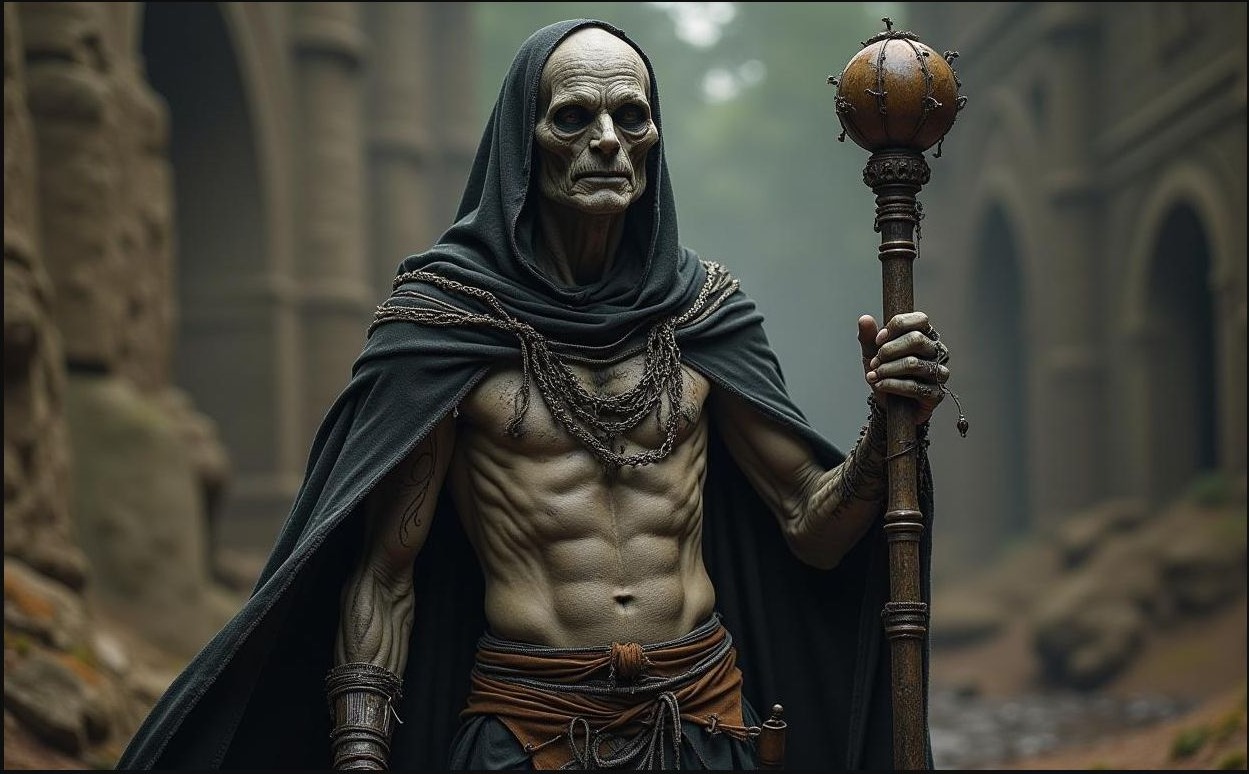
Thar naquit dans la prestigieuse Maison Zul, une lignée shael’tharienne historiquement liée à l’autorité et aux cercles religieux d’Eldrastor. Son nom devait porter cette grandeur. Pourtant, avant même sa naissance, les paroles de sa mère avaient fait de l’enfant attendu une menace pour ceux qui auraient dû le reconnaître.Thar was born into the prestigious House Zul, a Shael’Tharian lineage historically connected to authority and the religious circles of Eldrastor. His name was meant to carry that greatness. Yet even before his birth, his mother’s words had made the expected child a threat to those who should have acknowledged him.
Sa mère était une oracle. Durant sa grossesse, elle affirma entendre la voix d’Argone et annonça que son fils reviendrait un jour à Eldrastor sous le regard du dieu de la corruption. La prophétie associait ainsi le destin de l’enfant à la cité et à une puissance dont l’influence inspirait la crainte.His mother was an oracle. During her pregnancy, she claimed to hear Argone’s voice and foretold that her son would one day return to Eldrastor beneath the gaze of the god of corruption. The prophecy bound the child’s destiny to the city and to a power whose influence inspired fear.
La nuit de sa naissance, le ciel se chargea de cendres. Les torches s’éteignirent une à une, tandis que les eaux devenaient étrangement immobiles. Pour la Maison Zul, ces signes confirmaient les paroles de l’oracle. Redoutant le scandale et la ruine, la famille refusa de reconnaître le nouveau-né.On the night of his birth, the sky filled with ashes. Torches went out one by one, while the waters became strangely still. To House Zul, these signs confirmed the oracle’s words. Fearing scandal and ruin, the family refused to acknowledge the newborn.
Les registres de sa naissance furent détruits. Sa mère fut bannie, puis abandonnée avec son enfant près des marais de Solvor. Les Zul effaçaient leur héritier des archives sans pouvoir effacer ce qui avait été annoncé. En voulant empêcher la prophétie, les Zul venaient peut-être de lui donner naissance.The records of his birth were destroyed. His mother was banished, then abandoned with her child near the marshes of Solvor. The Zuls erased their heir from the records without being able to erase what had been foretold. In trying to prevent the prophecy, the Zuls may have brought it into being.
02 / THAR’ZUL
L’ENFANT DES NÉCRYENSTHE CHILD OF THE NECRYANS
Thar et sa mère furent recueillis par les Nécryens. Ce peuple vivait aux marges des royaumes, loin des centres d’autorité qui avaient rejeté l’enfant. On le craignait pour ses rites obscurs et sa dévotion silencieuse aux puissances souterraines. C’est dans cet univers de marais et d’ombres que Thar grandit.Thar and his mother were taken in by the Necryans. These people lived on the margins of the kingdoms, far from the centres of authority that had rejected the child. They were feared for their obscure rites and silent devotion to subterranean powers. Thar grew up in this world of marshes and shadows.
Son nom conserva les deux faces de son origine. Thar était le nom de naissance, porteur de la grandeur qui lui avait été promise. Zul était celui de la famille qui l’avait renié. Selon leur usage rituel, les Nécryens unirent les deux fragments. L’enfant devint Thar’Zul : le rejet familial demeurait inscrit dans son identité.His name retained both sides of his origin. Thar was his birth name, carrying the greatness promised to him. Zul was the name of the family that had disowned him. Following their ritual custom, the Necryans joined the two fragments. The child became Thar’Zul: his family’s rejection remained inscribed in his identity.
Il parlait rarement. Son regard lointain et sa sagesse inquiétante le distinguaient des autres enfants. Dans l’obscurité des marais, il semblait connaître des savoirs interdits que personne ne lui avait enseignés. Cette étrangeté précédait encore le moment où les anciens reconnaîtraient ouvertement ce qu’ils voyaient en lui.He rarely spoke. His distant gaze and ominous wisdom set him apart from other children. In the darkness of the marshes, he seemed to possess forbidden knowledge that no one had taught him. This strangeness preceded the moment when the elders would openly acknowledge what they saw in him.
03 / THAR’ZUL
L’ÉLU D’ARGONEARGONE’S CHOSEN
À sept legas, Thar’Zul traversa seul les profondeurs de Solvor. Les marais abritaient des bandits, des eaux corrompues et des créatures dissimulées dans la brume. L’enfant s’y engagea sans compagnon et revint pourtant indemne. Il rapportait un crâne ancien, gravé de runes impies.At seven legas, Thar’Zul crossed the depths of Solvor alone. The marshes harboured bandits, corrupted waters and creatures hidden in the mist. The child entered without a companion and nevertheless returned unharmed. He brought back an ancient skull engraved with impious runes.
Il récita alors les premiers vers du Cantique des Morts. Devant lui, les anciens nécryens s’inclinèrent. Ils ne reconnaissaient plus seulement un enfant singulier : ils reconnaissaient l’Élu d’Argone. Les paroles, le crâne et son retour sans blessure donnaient une forme visible à l’autorité qu’ils lui attribuaient.He then recited the first verses of the Canticle of the Dead. Before him, the Necryan elders bowed. They no longer recognized merely an unusual child: they recognized Argone’s Chosen. The words, the skull and his uninjured return gave visible form to the authority they attributed to him.
Thar’Zul était désormais celui qui porterait la déchéance, la corruption et le renouveau né de la mort. Son enfance dans les marais prenait ainsi une signification religieuse. L’héritier que les Zul avaient voulu soustraire à la prophétie entrait dans le rôle qu’elle avait annoncé.Thar’Zul was now the one who would carry decay, corruption and renewal born from death. His childhood in the marshes thus acquired a religious meaning. The heir whom the Zuls had tried to remove from the prophecy was entering the role it had foretold.
04 / THAR’ZUL
LE RETOUR À ELDRASTORTHE RETURN TO ELDRASTOR
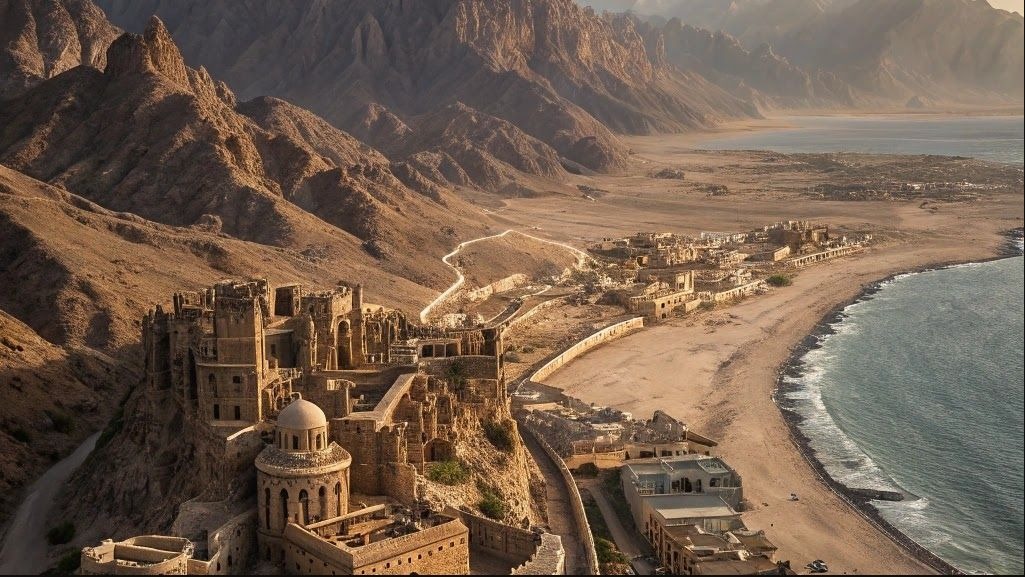
Des années plus tard, Thar’Zul revint à Eldrastor. Il ne revenait réclamer ni héritage, ni titre familial, ni pardon. Il revenait sous le nom que sa famille avait tenté d’effacer. Le nom composé par les Nécryens portait désormais sa propre autorité, distincte de celle de la Maison Zul.Years later, Thar’Zul returned to Eldrastor. He came to claim neither an inheritance, nor a family title, nor forgiveness. He returned under the name his family had tried to erase. The name joined by the Necryans now carried its own authority, separate from that of House Zul.
Il s’éleva au rang de Grand Prêtre d’Argone. Ses fidèles donnèrent à Thar’Zul un sens nouveau : « La Grandeur de l’Ombre ». La grandeur promise à sa naissance n’avait pas disparu avec les registres détruits. Elle revenait liée au dieu de la corruption et à ceux qui le servaient.He rose to the rank of High Priest of Argone. His followers gave Thar’Zul a new meaning: “The Greatness of Shadow.” The greatness promised at his birth had not vanished with the destroyed records. It returned bound to the god of corruption and those who served him.
Il n’était plus seulement l’enfant rejeté de la Maison Zul. Il était devenu la grandeur qu’elle avait refusé de reconnaître, revenue sous une forme assez sombre pour la hanter.He was no longer merely the rejected child of House Zul. He had become the greatness it had refused to recognize, returned in a form dark enough to haunt it.
05 / THAR’ZUL
LA NÉCROVALE ET LE PACTE AVEC LA MORTTHE NECROVALE AND THE PACT WITH DEATH

Thar’Zul poursuivit ensuite ses errances à travers les nécropoles, les ruines interdites et les lieux abandonnés par les vivants. Son chemin le conduisit jusqu’à la Nécrovale d’Argone. Dans ce royaume funèbre, il apprit une forme de nécromancie pure, dont la pratique dépassait le simple maniement des sortilèges.Thar’Zul then continued his wanderings through necropolises, forbidden ruins and places abandoned by the living. His path led him to Argone’s Necrovale. In that funerary realm, he learned a form of pure necromancy whose practice went beyond the mere handling of spells.
Il s’agissait d’un pacte intime avec la Mort elle-même, vécu comme une communion rituelle. À l’Autel des Ombres, il offrit son sang. La corruption d’Argone entra dans son corps : sa chair se flétrit et son âme s’obscurcit. L’altération de son être accompagnait une communion plus profonde avec le dieu.It was an intimate pact with Death itself, experienced as a ritual communion. At the Altar of Shadows, he offered his blood. Argone’s corruption entered his body: his flesh withered and his soul darkened. The alteration of his being accompanied a deeper communion with the god.
La nécromancie n’était donc plus pour lui un savoir tenu à distance. Elle engageait sa propre chair et sa propre âme. Thar’Zul portait en lui la corruption à laquelle il consacrait les morts ; le Grand Prêtre devenait lui-même l’un des signes de la puissance qu’il servait.Necromancy was therefore no longer knowledge he kept at a distance. It involved his own flesh and his own soul. Thar’Zul carried within himself the corruption to which he consecrated the dead; the High Priest himself became one of the signs of the power he served.
06 / THAR’ZUL
LE TEMPLE NOIR D’ELDRASTORTHE BLACK TEMPLE OF ELDRASTOR
Après ces errances, Thar’Zul rejoignit Eldrastor. Le Temple Noir était un sanctuaire souterrain profané, où les statues d’anciens dieux se couvraient de mousse. La corruption et la déchéance imprégnaient le lieu. Sous la cité, les fidèles d’Argone y trouvaient un espace de rassemblement secret.After these wanderings, Thar’Zul reached Eldrastor again. The Black Temple was a profaned underground sanctuary where statues of ancient gods were covered in moss. Corruption and decay permeated the place. Beneath the city, Argone’s followers found a secret gathering place there.
Sous son autorité, le Temple Noir fut relevé dans les ténèbres. Thar’Zul y créa un autel de chair et d’os, sur lequel furent accomplis des sacrifices. Des rites interdits s’y développèrent, donnant au sanctuaire une fonction qui dépassait la dévotion : il devenait un lieu de transformation des morts.Under his authority, the Black Temple was restored in darkness. Thar’Zul created an altar of flesh and bone upon which sacrifices were performed. Forbidden rites developed there, giving the sanctuary a purpose beyond devotion: it became a place where the dead were transformed.
Les dépouilles furent changées en sentinelles funéraires. Des morts-vivants et des abominations gardèrent le sanctuaire. Dans cette forteresse souterraine, le pouvoir religieux du Grand Prêtre prenait une forme concrète : les corps relevés prolongeaient l’emprise d’Argone jusque dans la protection du temple.Remains were turned into funerary sentinels. Undead and abominations guarded the sanctuary. In this underground fortress, the High Priest’s religious power took concrete form: raised bodies extended Argone’s hold into the very protection of the temple.
Approfondir les rites de l’ArgonismeExplore the rites of Argonism07 / THAR’ZUL
L’INVASION DES MORTS-VIVANTSTHE UNDEAD INVASION
Thar’Zul fut à l’origine de l’invasion des morts-vivants d’Argone à Eldrastor. Son rôle ne se limitait donc pas à présider des cérémonies secrètes. Un pacte le liait au lieu lui-même ; la présence du Grand Prêtre, le sanctuaire et la menace pesant sur la cité se trouvaient ainsi liés.Thar’Zul was at the origin of Argone’s undead invasion of Eldrastor. His role was therefore not confined to presiding over secret ceremonies. A pact bound him to the place itself; the High Priest’s presence, the sanctuary and the threat hanging over the city were thus connected.
Cette menace contribua à pousser la Shael’maara Zahraya à faire construire un temple dédié à Argone afin de préserver le peuple des morts-vivants. Dans l’histoire d’Eldrastor, l’action de Thar’Zul rejoint ainsi celle du pouvoir shael’tharien : son culte obscur devint une force avec laquelle la cité dut composer.This threat helped drive the Shael’maara Zahraya to build a temple dedicated to Argone in order to preserve the people from the undead. In Eldrastor’s history, Thar’Zul’s actions thus intersect with Shael’Tharian authority: his dark cult became a force the city had to contend with.
08 / THAR’ZUL
THAR’ZUL AUJOURD’HUITHAR’ZUL TODAY
Sous l’influence du culte d’Argone, Eldrastor est devenue une place forte de la mort. Les cloches funéraires et les rites nocturnes donnent à la présence du dieu une continuité inquiétante. Dans les profondeurs du temple, Thar’Zul veille, tandis que ses fidèles attendent l’éclipse ultime.Under the influence of Argone’s cult, Eldrastor has become a stronghold of death. Funerary bells and night rituals give the god’s presence an unsettling continuity. In the depths of the temple, Thar’Zul keeps watch while his followers await the ultimate eclipse.
L’ichor, le sang des morts-vivants, appartient à cette présence que le sanctuaire entretient au-delà de la vie. L’enfant abandonné aux marais est désormais le Grand Prêtre dont les rites accompagnent la déchéance d’une cité. Son nom porte toujours la trace des Zul, mais son autorité relève d’Argone.Ichor, the blood of the undead, belongs to this presence the sanctuary sustains beyond life. The child abandoned to the marshes is now the High Priest whose rites accompany a city’s decay. His name still bears the mark of the Zuls, but his authority belongs to Argone.
Thar’Zul attend le moment où le règne d’Argone s’étendra davantage sur le monde.Thar’Zul awaits the moment when Argone’s reign will spread further across the world.